
Brandy Todd, Ph.D.
Research • Evaluation • Program Design • Scientific Communication
I help universities, nonprofits, research teams, and mission-driven organizations turn ambitious ideas into measurable impact. My work combines rigorous research methodology, program evaluation, grant development, and systems thinking to design programs, strengthen proposals, and produce evidence that informs better decisions.
Specialties
Program Evaluation
Grant Development
Survey Design & Validation
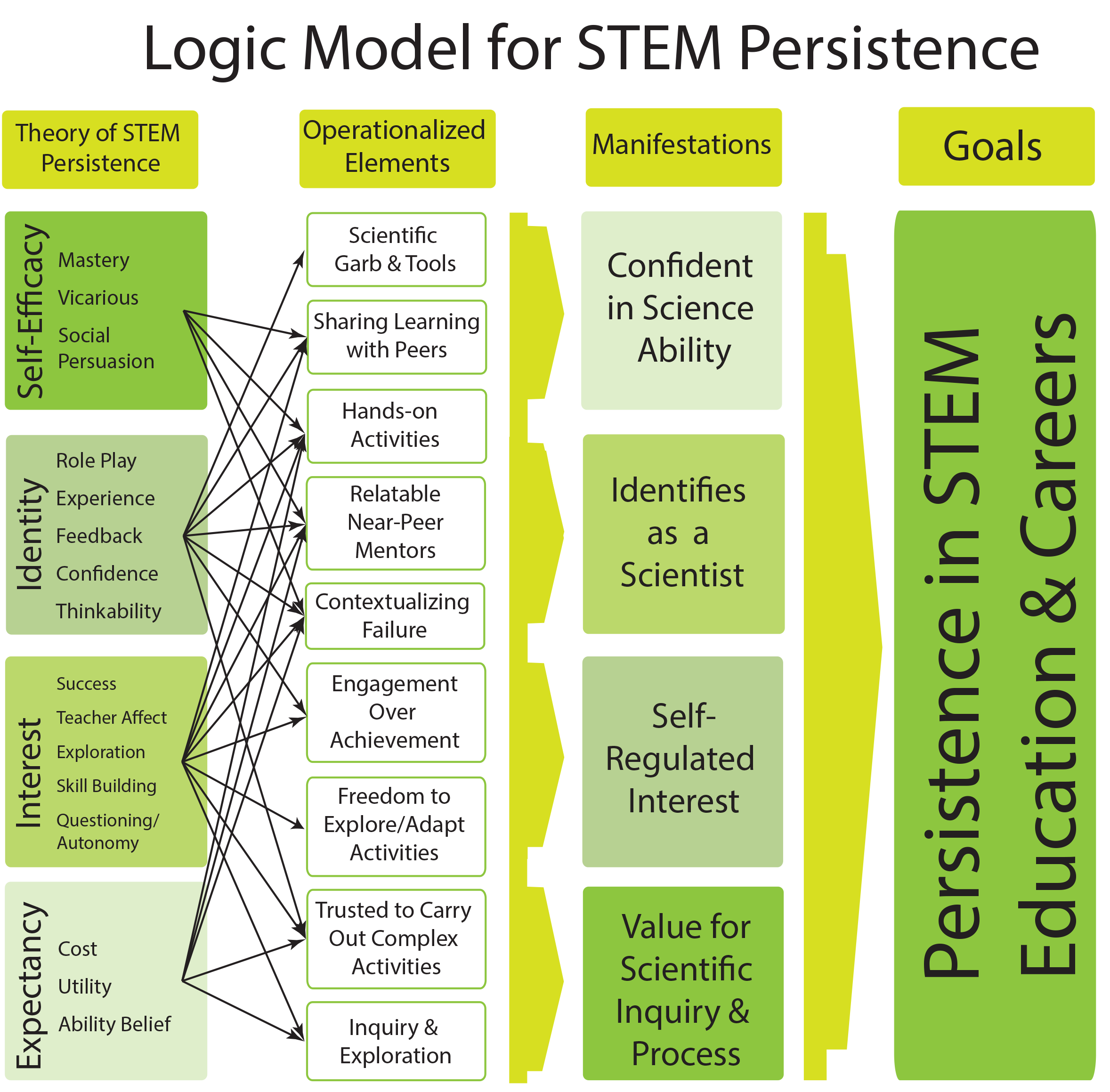
Logic Models & Evaluation Frameworks
Strategic Planning
Scientific & Technical Writing
About Me
I believe organizations work best when they ask better questions, use information thoughtfully, and build flexible systems that empower the people who make their mission possible. My approach combines rigorous quantitative and qualitative methods with practical implementation, helping clients design stronger programs, evaluate what matters, and make decisions grounded in evidence. From grant proposals to logic models to organizational strategy, I help clients translate research into action.
How I Think
Start with the question, not the method. The right analytic technique depends on the decision you’re trying to inform.
Design for use. An evaluation that isn’t used has limited value, no matter how sophisticated it is.
Systems matter. Sustainable change comes from improving structures and incentives, not simply asking individuals to work harder.
Evidence should be understandable. Good analysis isn’t just statistically sound—it helps people make better decisions.
Case Studies & Projects
Program Architecture
-
The Challenge
Develop an evidence-informed informal STEM education program that would increase girls’ long-term participation in STEM by addressing the social and psychological barriers that contribute to disengagement.
My Role
Develop the theoretical framework, translate research into practical program design, build the evaluation framework, oversee curriculum development, train staff and volunteers, and use evaluation findings to continually refine the program.
Research & Analysis
Conducted a comprehensive review of literature on gender disparities in STEM, science identity, self-efficacy, motivation, and informal science education. Synthesized research from education, psychology, sociology, and gender studies to identify the factors most strongly associated with sustained STEM participation.
Solution
Designed a research-informed program centered on identity development, self-efficacy, and sustained interest formation. Created curriculum design principles emphasizing hands-on inquiry, collaboration, creativity, iterative problem solving, and authentic scientific practice. Built a flexible implementation model that allowed the program to evolve in response to participant feedback and changing educational contexts while maintaining high implementation fidelity.
Outcomes
Created a sustainable informal STEM program serving hundreds of youth over multiple years. Developed an evaluation system that continuously informed program improvement while maintaining strong fidelity of implementation. The program consistently demonstrated positive impacts on participants’ STEM identities, interests, and confidence.
Skills Demonstrated
Theory and conceptual framework development
Logic model design
Program evaluation
Curriculum development
Staff training
Mixed-methods research
Continuous improvement
Organizational leadership
-
The Challenge
Develop a rigorous evaluation capable of measuring the impact of an informal STEM intervention on participants’ science identity, self-efficacy, and interest while maintaining the practical realities of a youth outreach program.
My Role
Co-designed the evaluation strategy, developed research instruments, managed implementation, oversaw data collection, conducted statistical analyses, and translated findings into actionable recommendations for program improvement.
Research & Analysis
Designed a randomized controlled trial using validated constructs from science education and motivational psychology. Integrated quantitative outcome measures with implementation data to distinguish program effectiveness from implementation quality.
Solution
Developed an evaluation framework combining experimental design with practical program delivery. Established protocols for participant recruitment, randomization, survey administration, fidelity monitoring, and statistical analysis that balanced scientific rigor with participant experience.
Outcomes
Generated high-quality evidence regarding program effectiveness and identified opportunities for continued program refinement. Demonstrated that rigorous evaluation methods can be successfully integrated into informal education settings without compromising participant engagement.
Skills Demonstrated
Experimental design
Randomized controlled trials
Survey design
Statistical analysis
Program evaluation
Research methodology
Implementation fidelity
Scientific communication
-
The Challenge
Determine whether short-term improvements in STEM attitudes translated into meaningful long-term changes in participants’ educational interests, identities, and career aspirations.
My Role
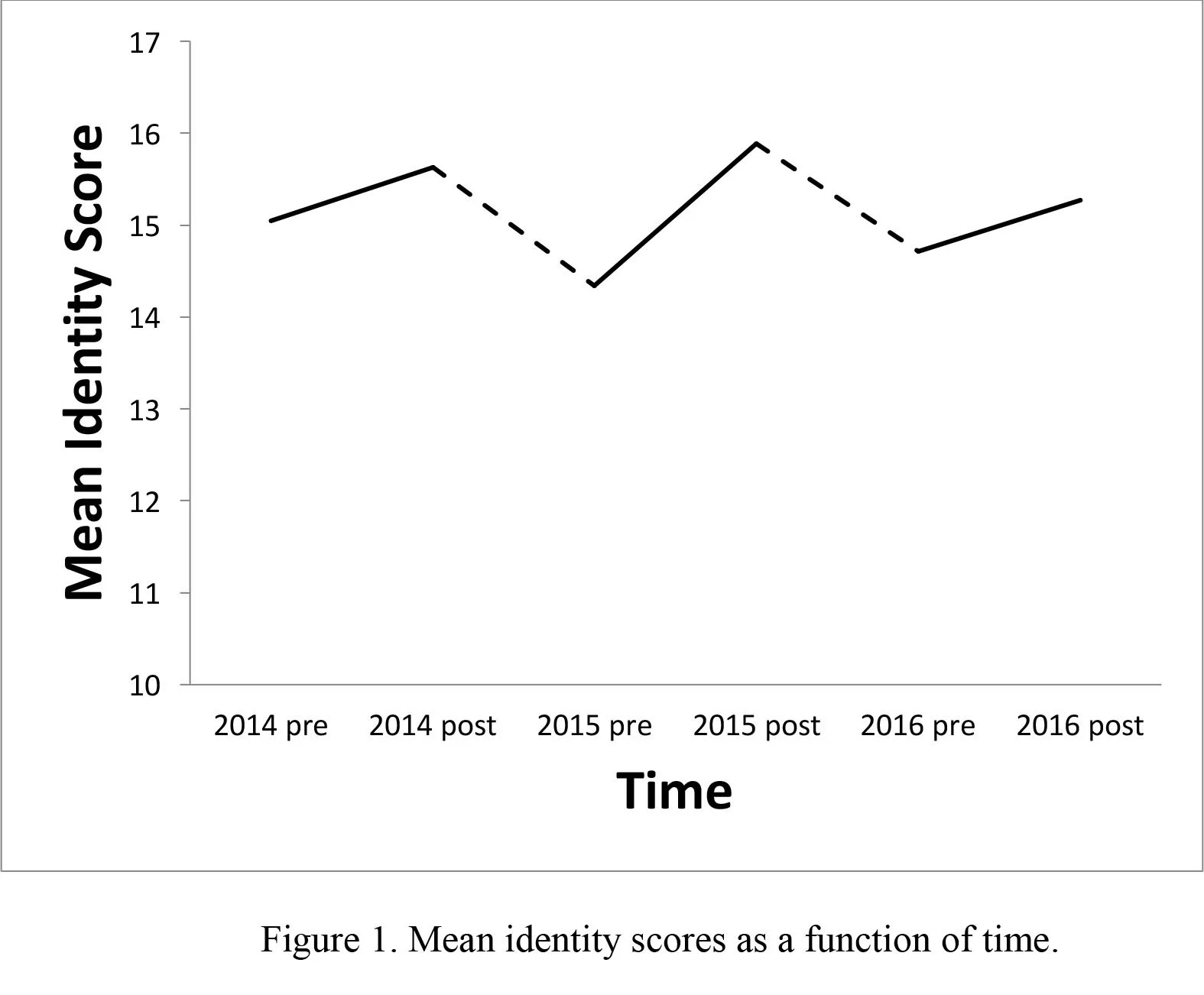
Designed the longitudinal evaluation strategy, developed participant follow-up procedures, analyzed long-term trends, and interpreted findings within current STEM identity literature.
Research & Analysis
Integrated multiple years of participant data to examine developmental changes in STEM identity, interest, and educational pathways. Evaluated both immediate program outcomes and sustained impacts over time.
Solution
Built a longitudinal evaluation framework capable of tracking participant growth across multiple years while accounting for changing educational and social contexts.
Outcomes
Produced evidence regarding the durability of program impacts and identified which program elements contributed most strongly to sustained participant engagement in STEM.
Skills Demonstrated
Longitudinal research design
Program evaluation
Statistical analysis
Survey methodology
Mixed-methods research
Educational research
Outcome assessment
-
The Challenge
Move beyond simplistic assumptions about girls interested in STEM by identifying meaningful patterns in how participants relate to science, learning, and identity development.
My Role
Developed the conceptual framework, analyzed participant data, synthesized qualitative and quantitative findings, and translated research into practical recommendations for curriculum design.
Research & Analysis
Examined participant interests, motivations, identities, and learning preferences to identify recurring patterns that could inform more responsive educational programming.
Solution
Developed an archetype framework that helped instructors recognize diverse pathways into STEM rather than assuming a single model of engagement. Used findings to improve curriculum design and staff training.
Outcomes
Created a practical framework that improved instructors’ ability to differentiate learning experiences while strengthening participant engagement and belonging.
Skills Demonstrated
Qualitative analysis
Mixed-methods research
Identity research
Conceptual framework development
Curriculum adaptation
Educational psychology
-
The Challenge
Design a scalable STEM engagement initiative capable of supporting youth, educators, families, and community organizations through an integrated, evidence-informed model of science learning.
My Role
Developed the conceptual framework, synthesized interdisciplinary research, designed the logic model and theory of action, developed evaluation strategies, and prepared a competitive NSF proposal.
Research & Analysis
Synthesized literature from STEM education, developmental psychology, identity theory, informal learning, teacher professional development, and organizational change to create a comprehensive framework supporting lifelong STEM engagement.
Solution
Designed a systems-based model integrating youth programming, educator development, family engagement, community partnerships, and continuous evaluation into a coherent framework supporting STEM identity development across multiple learning environments.
Outcomes
Produced a comprehensive program model and implementation plan demonstrating how evidence-informed systems design can support large-scale STEM participation and equity initiatives.
Skills Demonstrated
Systems thinking
Program architecture
Logic model development
Theory of action
Literature synthesis
Grant development
Evaluation planning
Strategic planning
Work Samples
Survey Development
Randomized Control Trial
Technical Brief - Fidelity Rubric
Technical Brief - Program Evaluation
Technical Brief Survey Development
Science Identity Archetypes
Program Logic Model
Program Architecture Development
Longitudinal Study
Identity Construct Model
Organizational Strategy
Healthy organizations don’t happen by accident. Every organization is shaped by its structures, incentives, culture, and decision-making processes. My work combines organizational theory, stakeholder engagement, and evidence-based analysis to help organizations understand why they function as they do—and how they can function better.
-
The Challenge
Assess the long-term sustainability of a nonprofit foundation experiencing organizational instability, governance challenges, and limited operational capacity, and develop a strategic path toward a sustainable future.
My Role
Conducted a comprehensive organizational assessment, facilitated stakeholder interviews, evaluated governance structures, analyzed organizational capacity, and developed strategic recommendations and implementation options for the Board of Directors.
Research & Analysis
Collected qualitative data through interviews with board members and organizational stakeholders. Examined governance practices, fundraising strategies, organizational structure, financial sustainability, volunteer engagement, and long-term organizational capacity. Compared organizational practices against nonprofit governance and strategic planning literature.
Solution
Developed a comprehensive strategic assessment that identified organizational strengths, structural weaknesses, governance challenges, and multiple future pathways. Recommendations included board restructuring, revised fundraising strategies, succession planning, organizational partnerships, and implementation priorities designed to improve long-term sustainability.
Outcomes
Produced a practical strategic planning document that provided leadership with evidence-based recommendations for future decision making. While some recommendations focused on organizational growth, others acknowledged difficult realities and emphasized responsible stewardship when long-term sustainability appeared unlikely.
Skills Demonstrated
Strategic planning
Organizational assessment
Stakeholder interviews
Qualitative analysis
Nonprofit governance
Change management
Systems thinking
Executive writing
-
The Challenge
Evaluate the effectiveness of a community-based poverty reduction initiative and assess whether the program’s underlying assumptions aligned with existing research on poverty, social mobility, and community development.
My Role
Conducted a comprehensive policy and program evaluation, synthesized research literature, assessed program design, and developed recommendations to strengthen implementation and long-term effectiveness.
Research & Analysis
Reviewed research on poverty, social capital, community development, and participant engagement. Compared the program’s theory of change against empirical evidence and identified opportunities to improve both implementation and evaluation.
Solution
Developed an evidence-informed evaluation highlighting program strengths, implementation challenges, and opportunities for improving participant outcomes. Recommendations focused on strengthening organizational partnerships, refining program design, improving outcome measurement, and better aligning services with participant needs.
Outcomes
Produced a comprehensive evaluation that integrated policy analysis, organizational assessment, and implementation recommendations into a practical framework for continuous program improvement.
Skills Demonstrated
Program evaluation
Policy analysis
Literature synthesis
Logic models
Stakeholder analysis
Community-based research
Strategic recommendations
-
The Challenge
Examine organizational conflict within a large public institution and evaluate whether existing dispute resolution systems effectively addressed employee concerns while supporting organizational performance.
My Role
Conducted qualitative organizational analysis, evaluated conflict resolution systems, synthesized research literature, and developed recommendations for improving organizational communication and dispute resolution processes.
Research & Analysis
Reviewed organizational theory, labor-management relations, conflict resolution literature, and dispute systems design. Analyzed how organizational structures, incentives, and communication practices contributed to recurring workplace conflicts.
Solution
Developed a systems-based assessment emphasizing that organizational conflict is often a product of institutional structures rather than individual behavior. Proposed improvements to communication pathways, dispute resolution processes, leadership practices, and organizational learning systems.
Outcomes
Produced a comprehensive analysis demonstrating how organizational systems can either amplify or reduce conflict, while illustrating the importance of aligning organizational processes with employee needs and institutional goals.
Skills Demonstrated
Organizational systems analysis
Qualitative research
Conflict resolution
Organizational development
Stakeholder analysis
Systems thinking
Policy analysis
Research Design, Measurement & Evaluation
Good decisions require good measurement. I design research instruments and evaluation systems that translate complex ideas into practical, reliable evidence organizations can actually use.
-
The Challenge
Develop a comprehensive evaluation system capable of measuring changes in participants’ STEM identities, self-efficacy, interests, and educational aspirations while remaining practical for use in a long-running informal education program.
My Role
Designed the overall evaluation strategy, developed and refined measurement instruments, integrated quantitative and qualitative data collection, conducted statistical analyses, and used findings to guide continuous program improvement.
Research & Analysis
Synthesized literature from STEM identity research, motivational psychology, educational assessment, and informal science education. Adapted and developed measurement instruments appropriate for diverse age groups while balancing research rigor with participant burden.
Solution
Created a mixed-methods evaluation framework combining validated survey instruments, original measures, qualitative feedback, observations, and longitudinal tracking. Developed implementation procedures that maintained data quality while fitting naturally within program operations.
Outcomes
Established a sustainable evaluation system capable of measuring both participant outcomes and implementation quality. The framework supported ongoing program refinement while producing evidence suitable for research, grant reporting, and organizational decision making.
Skills Demonstrated
Survey design
Instrument development
Mixed-methods research
Construct development
Educational measurement
Program evaluation
Statistical analysis
Continuous improvement
-
The Challenge
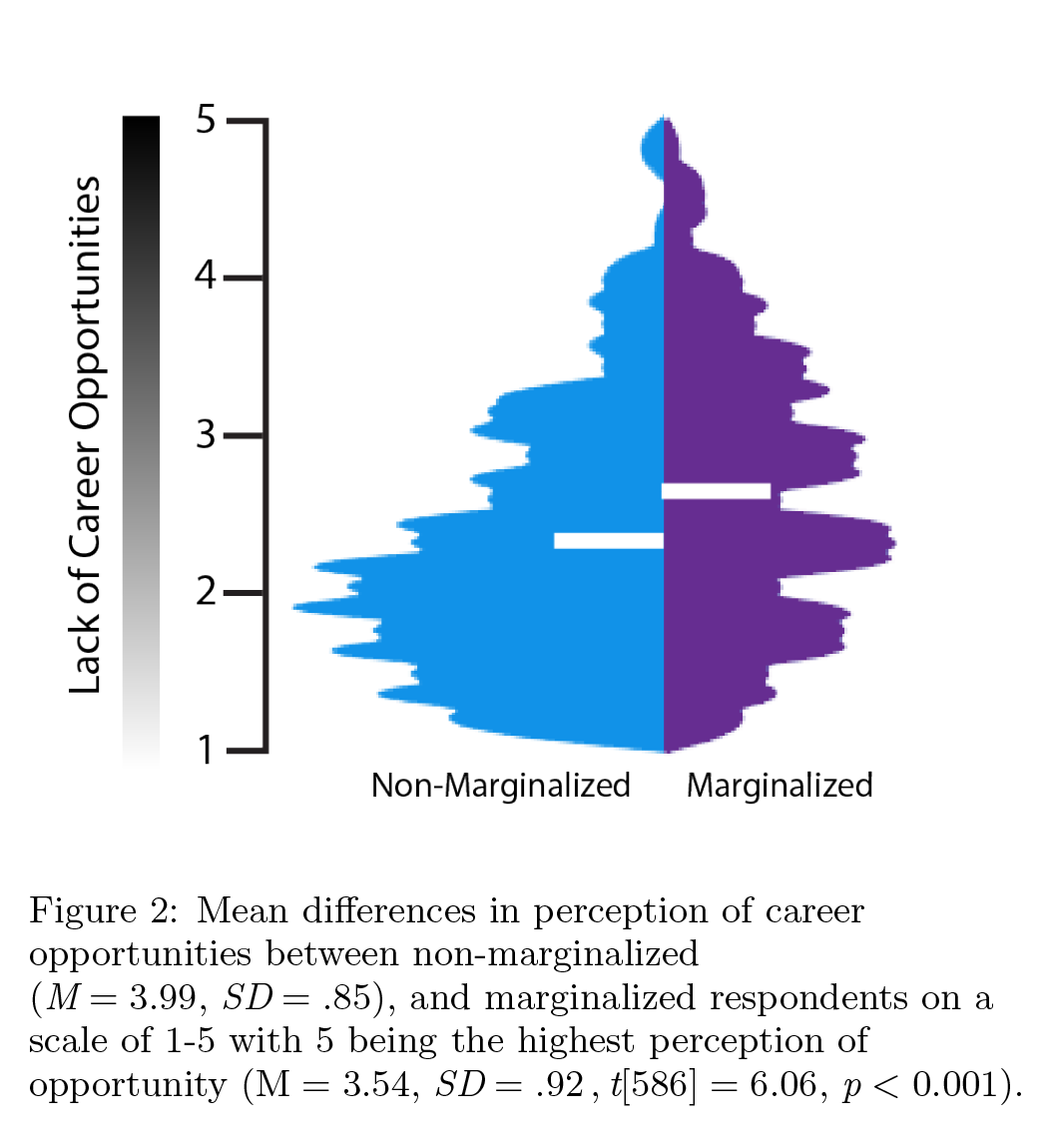
Develop a climate survey capable of measuring participants’ experiences of inclusion, belonging, bias, and workplace culture while producing data suitable for institutional decision making.
My Role
Led survey development, operationalized complex social constructs into measurable variables, developed sampling and administration strategies, analyzed quantitative findings, and translated results into actionable recommendations.
Research & Analysis
Reviewed literature on organizational climate, diversity, inclusion, psychological safety, and survey methodology. Designed measures capable of capturing both individual experiences and organizational patterns while minimizing unnecessary respondent burden.
Solution
Created a comprehensive survey instrument integrating validated constructs with context-specific measures tailored to the organization’s research environment. Designed reporting strategies that balanced statistical rigor with accessibility for organizational leaders.
Outcomes
Produced an evidence-based assessment of organizational climate that informed institutional discussions surrounding diversity, inclusion, and organizational culture while providing a framework for future longitudinal assessment.
Skills Demonstrated
Survey methodology
Organizational climate assessment
Psychometrics
Statistical analysis
Data visualization
Research design
Quantitative methods
Scientific communication
-
The Challenge
Create a reliable implementation fidelity instrument capable of measuring whether educational programs were delivered consistently while preserving instructor flexibility and responsiveness to learners.
My Role
Designed the conceptual framework, operationalized implementation constructs into observable indicators, developed scoring criteria, established rater guidance, and refined the instrument through iterative testing.
Research & Analysis
Synthesized implementation science, educational evaluation, and measurement literature to identify practical approaches for assessing fidelity without reducing instruction to simple compliance checklists.
Solution
Developed a structured rubric capable of assessing implementation quality across multiple dimensions while supporting both program improvement and research. Designed scoring procedures intended to improve consistency across observers while generating meaningful implementation data.
Outcomes
Created a practical implementation measurement tool supporting both continuous quality improvement and research on program effectiveness. The framework strengthened the connection between implementation quality and participant outcomes.
Skills Demonstrated
Rubric development
Implementation science
Instrument design
Measurement theory
Program evaluation
Inter-rater reliability
Educational assessment
Continuous improvement
Research Development & Grant Strategy
Successful grant proposals are built long before the writing begins. They require a compelling vision, alignment between sponsor priorities and organizational capacity, realistic project planning, meaningful evaluation strategies, and a clear understanding of the funding landscape.
Over the past twenty years, I have supported the development, administration, and management of sponsored projects from initial concept through award closeout. My experience spans federal agencies, private foundations, professional societies, and institutional funding programs.
The strongest proposals do more than satisfy sponsor requirements—they align compelling evidence, organizational capacity, and meaningful community need into a coherent, achievable vision.
-
Rather than simply writing proposals, I support the entire grant development process, including:
Opportunity assessment and sponsor alignment
Project conceptualization
Literature synthesis
Theory of change and logic models
Evaluation planning
Narrative development
Budget development and justification
Broader Impacts planning
Project management
Team coordination
Internal proposal review
Sponsor compliance
Post-award reporting support
-
Over the course of my career I have helped researchers become stronger grant writers through mentoring, proposal review, and formal professional development workshops.
Representative experience includes:
Co-developing and teaching proposal development workshops for graduate students pursuing competitive fellowships, including the NSF Graduate Research Fellowship Program (GRFP).
Designing internal proposal competitions that simulated external review processes while providing participants with funding and structured feedback.
Mentoring graduate students and early-career researchers in proposal development, project design, literature synthesis, broader impacts, evaluation planning, and sponsor alignment.
Supporting interdisciplinary teams as they translated innovative research ideas into competitive proposals.
-
Federal Agencies
National Science Foundation (NSF)
Institute of Education Sciences (IES)
Role:
Project design, proposal narratives, literature reviews, evaluation planning, budgets, project leadership, and proposal coordination.Private Foundations
Spencer Foundation
Honda Foundation
Alphabet Foundation
Regional and community foundations
Role:
Needs assessment, proposal narratives, strategic alignment, evaluation planning, budgets, and supporting documentation.Professional Organizations
American Physical Society
American Chemical Society
Society for Science
Society of Physics Students
Role:
Program development, proposal writing, educational programming, evaluation, and reporting.Institutional Funding
Internal university research, outreach, and educational innovation proposals.
Role:
Proposal development, evaluation planning, budgets, implementation planning, and reporting.Sponsored Research Support
Over the course of my career I’ve supported research teams pursuing funding from agencies including:
NSF
NIH
DARPA
ARL
ARO
AFOSR
ONR
NASA
DOE
HHMI
Sloan Foundation
Templeton Foundation
Murdock Charitable Trust
American Heart Association
Support included:
Budget development
Budget justifications
Proposal coordination
Broader Impacts
Evaluation planning
Supporting documentation
Compliance
Collaborator coordination
Research administration
Award management
Skills Demonstrated
Grant strategy
Proposal development
Evaluation planning
Logic models
Literature synthesis
Budget development
Research administration
Sponsored project management
Scientific writing
Team leadership
Cross-disciplinary collaboration
Writing & Scientific Communication
Strong organizations need more than good ideas—they need clear communication. Throughout my career I’ve translated complex technical, scientific, and organizational information into documents that support decision making, funding, policy development, and organizational change.
Representative Deliverables
Grant proposals
Evaluation plans
Policy briefs & policy memos
Executive summaries
Technical reports
Literature reviews & research syntheses
White papers
Scientific editing & proposal review
Stakeholder communications
Board reports